From Lathes to Laser Cutting Discover Wisconsin's High-Tech Swiss Machining Landscape
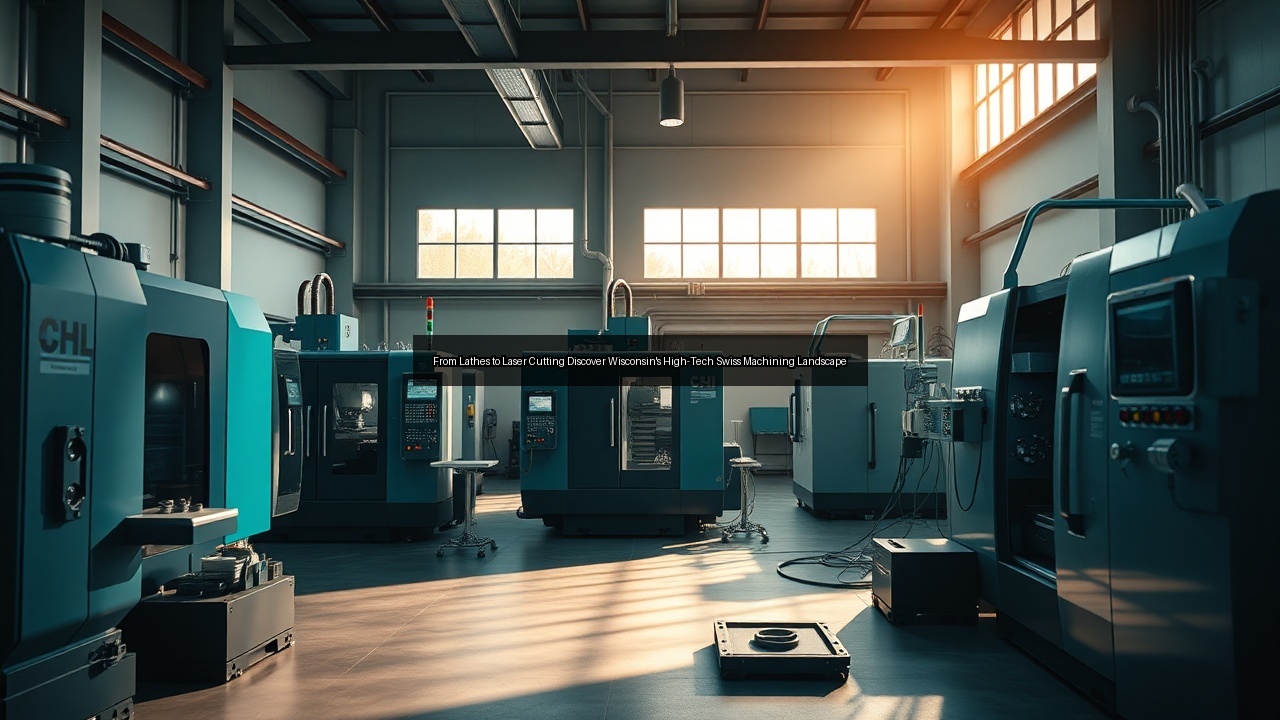
The Evolution of Precision Machining in Wisconsin
A Historical Overview of Machining Techniques
Wisconsin manufacturers built their reputation on manual lathes and basic milling equipment that shaped metal parts for early industrial needs. Craftsmen relied on skilled hands to achieve tolerances measured in fractions of an inch, producing components for agricultural equipment and railroad machinery. These foundational methods emphasized durability and repeatability while laying the groundwork for later advancements in wisconsin swiss precision machining.
Local shops passed knowledge through apprenticeships, refining techniques that balanced speed with quality. Over decades, demand grew for smaller, more complex parts that manual processes struggled to deliver consistently. This pressure drove experimentation with automated feeds and improved tooling, setting the stage for computer integration across the state.
The Rise of CNC Technology
CNC machining transformed Wisconsin workshops by replacing manual controls with programmed instructions. Operators programmed paths directly into machines, reducing human error and enabling complex geometries at higher volumes. CNC turning and cnc milling machines quickly became standard, allowing shops to handle tighter specifications for defense and medical contracts.
Training programs at technical colleges in Milwaukee and Madison supplied skilled programmers and operators. Shops upgraded from basic mills to full cnc machining centers that combined multiple operations in one setup. This shift boosted output while maintaining the accuracy required by emerging high-tech sectors.
From Lathes to Laser Cutting: A Technological Leap
Traditional lathes gave way to integrated systems that incorporate laser cutting for intricate profiles and fine details. Wisconsin facilities now run laser-equipped cells alongside swiss machines to produce parts with minimal secondary processing. The combination delivers clean edges and precise holes that reduce waste and finishing time.
Modern setups also feature automated material handling that moves stock between turning, milling, and cutting stations without operator intervention. This evolution supports shorter lead times and greater flexibility for custom orders. Shops that once specialized in one process now offer complete precision machining under one roof.
Understanding Swiss Precision Machining
What is Swiss Machining?
Swiss machining uses a sliding headstock and guide bushing to support material very close to the cutting tool. This design stabilizes long, slender workpieces during high-speed operations, preventing deflection that plagues conventional lathes. Wisconsin swiss precision machining centers apply this principle to produce diameters held within microns on parts several inches long.
Bar-fed swiss machines run continuously with minimal supervision, feeding stock through the guide bushing while tools cut on the opposite side. The setup excels at small-diameter components that require multiple operations in sequence. Many Wisconsin shops pair swiss equipment with cnc milling machines for complete part production in fewer setups.
Key Advantages of Swiss Machined Components
Swiss machined components deliver superior surface finishes and concentricity because the guide bushing eliminates vibration at the point of cut. Tolerances routinely reach ±0.0002 inches, meeting requirements that standard cnc lathes cannot hold consistently. Reduced deflection also allows deeper cuts without compromising accuracy or tool life.
Production runs benefit from faster cycle times and lower scrap rates. One operator can manage several machines, improving labor efficiency. These advantages make swiss precision machine technology ideal for high-volume orders where every tenth of a second and every micron counts.
Applications in Various Industries
Medical device firms rely on swiss machining for surgical instruments and implant components that demand biocompatible finishes and exact dimensions. Electronics manufacturers use the process for connectors and housings that fit precisely into compact assemblies. Wisconsin shops serve these markets with quick turnaround on prototypes and production quantities alike.
Additional sectors include optics, where lens mounts and alignment fixtures require optical-grade accuracy, and the automotive industry, which needs valve components and fuel system parts held to strict leak-proof standards. The versatility of swiss machining supports both low-volume specialty work and long runs of identical parts.
High-Tech Machinery in Wisconsin's Machining Landscape
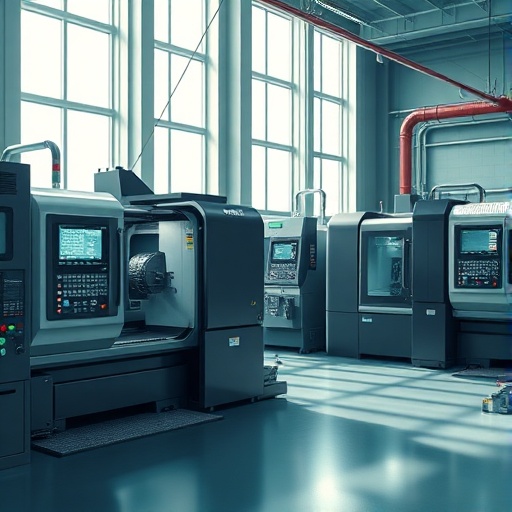
Exploring CNC Machining Centers
CNC machining centers in Wisconsin combine milling, drilling, and tapping in single setups that reduce handling and improve repeatability. Five-axis models allow complex contours without repositioning, shortening lead times for intricate aerospace brackets and electronics enclosures. Shops invest in probing systems that verify dimensions in-process, catching deviations before parts leave the machine.
Tool magazines holding dozens of cutters enable lights-out operation overnight. Wisconsin facilities pair these centers with swiss machines to handle both rotational and prismatic features on the same part. The result is higher throughput and consistent quality across mixed production schedules.
The Role of CNC Lathes in Production
CNC lathes handle turning, facing, and threading operations with live tooling that adds milling capability without moving parts to another machine. Wisconsin operators program these lathes for quick changeovers between jobs, supporting the state's emphasis on custom precision machining. Bar feeders and parts catchers keep material flowing for extended runs.
Advanced models incorporate sub-spindles that complete back-side operations in one cycle. This reduces secondary handling and improves overall accuracy. Many shops use cnc lathes alongside thread rolling equipment to produce fasteners and fittings that meet exacting strength and finish requirements.
Innovative Techniques: Thread Rolling and Deburring
Thread rolling displaces material rather than cutting it, creating stronger threads with improved fatigue resistance. Wisconsin manufacturers apply this method to high-stress components for automotive and aerospace applications. The process runs on dedicated machines or integrated into cnc turning centers for seamless workflow.
Deburring follows machining to remove sharp edges and improve safety and function. Automated deburr cells equipped with brushes, tumbling media, or thermal energy deliver consistent results without manual labor. Shops combine deburr steps with polish operations to achieve the surface quality demanded by optics and medical customers.
Industries Benefiting from Wisconsin's Machining Expertise
The Aerospace Industry: Meeting High Tolerances
Aerospace industry suppliers in Wisconsin depend on swiss precision machining to produce flight-critical parts such as actuator housings and sensor mounts. These components must withstand extreme temperatures and vibration while maintaining tight geometric tolerances. CNC machining centers equipped with high-pressure coolant handle difficult alloys like Inconel and titanium without compromising tool life.
Certifications such as AS9100 guide quality systems that document every step from material receipt to final inspection. Shops perform first-article inspections and statistical process control to satisfy prime contractors. The combination of swiss machines and advanced cnc milling ensures parts meet both dimensional and metallurgical specifications.
Telecommunications and Electronics: Precision in Demand
Telecommunications equipment requires machined parts with precise waveguide channels and connector interfaces that maintain signal integrity. Wisconsin facilities use swiss machining to create these features in aluminum and specialized alloys at high volumes. CNC turning produces connector bodies with threads and sealing surfaces held to exacting standards.
The electronics industry also benefits from rapid prototyping capabilities that move designs from CAD files to finished parts in days. Low-run production of enclosures and heat sinks supports product development cycles that demand both speed and accuracy. Deburr and polish steps ensure parts fit cleanly into dense circuit assemblies.
Automotive Industry Needs: Speed and Accuracy
Automotive industry customers seek machined parts that support just-in-time assembly lines while meeting strict performance standards. Wisconsin swiss precision machining suppliers deliver fuel injectors, transmission components, and sensor bodies with short cycle times and minimal variation. Thread rolling strengthens critical fasteners used in engine and chassis applications.
High-volume runs rely on automated cells that combine cnc lathes, milling machines, and inspection stations. Real-time SPC data allows operators to adjust offsets before parts drift out of tolerance. This approach keeps defect rates low and supports the automotive sector's focus on cost reduction without sacrificing quality.
The Future of Swiss Precision Machining in Wisconsin
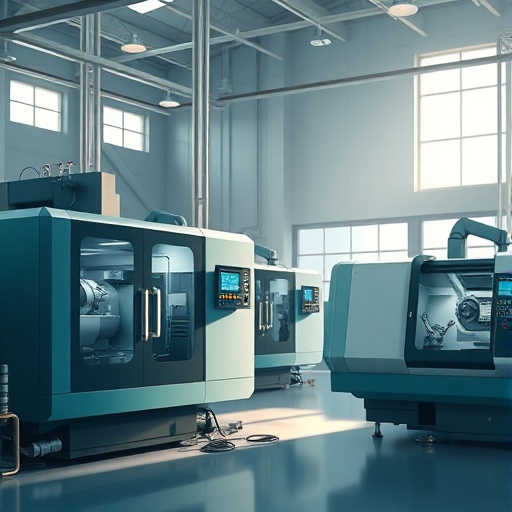
Emerging Technologies and Trends
Automation and digital twins now guide process development in Wisconsin shops, simulating tool paths before any metal is cut. Additive manufacturing complements traditional swiss machining by producing fixtures and low-volume prototypes that speed overall development. Shops explore hybrid machines that combine laser deposition with subtractive operations in one envelope.
Artificial intelligence monitors tool wear and predicts maintenance needs, reducing unplanned downtime. These technologies build on the state's strong base of cnc machining centers and swiss precision machine equipment. Continued investment keeps Wisconsin competitive in global markets that demand ever-tighter tolerances and faster delivery.
Sustainability in Precision Machining
Energy-efficient motors and high-pressure coolant systems reduce power consumption during long production runs. Wisconsin facilities recycle metal chips and cutting fluids to lower waste disposal costs and environmental impact. Dry machining techniques appear in select applications where they maintain required surface integrity without coolant.
Sustainability also involves longer tool life through optimized parameters and coatings that reduce replacement frequency. Shops track carbon footprints for major customers who require environmental reporting. These practices align with broader industry goals while preserving the economic advantages of precision machining.
The Role of Companies like McCormick Industries
McCormick Industries exemplifies how Wisconsin firms integrate swiss machining with cnc turning, milling, and finishing under one roof. The company invests in the latest swiss cnc machining equipment and maintains rigorous quality systems that serve aerospace, telecommunications, and automotive clients. Their capabilities include thread rolling, deburr, polish, and welding, allowing single-source supply for complex assemblies.
By focusing on continuous improvement and employee training, McCormick Industries helps drive the state's reputation for reliable, high-accuracy components. Partnerships with local technical colleges ensure a pipeline of skilled machinists ready to operate advanced precision machines. This model supports both current production demands and future growth in wisconsin swiss precision machining.
See Also
- The Art of Precision Crafting Swiss Machined Components in Wisconsin
- How Wisconsin's CNC Machining Centers Are Revolutionizing the Automotive Industry
- Unlocking the Future of Wisconsin Swiss Precision Machining in Aerospace Innovation
- Mastering Accuracy and Tolerances in Wisconsin's Swiss Precision Machining Sector