The Importance of Inspection and Quality Control in Injection Mold Production
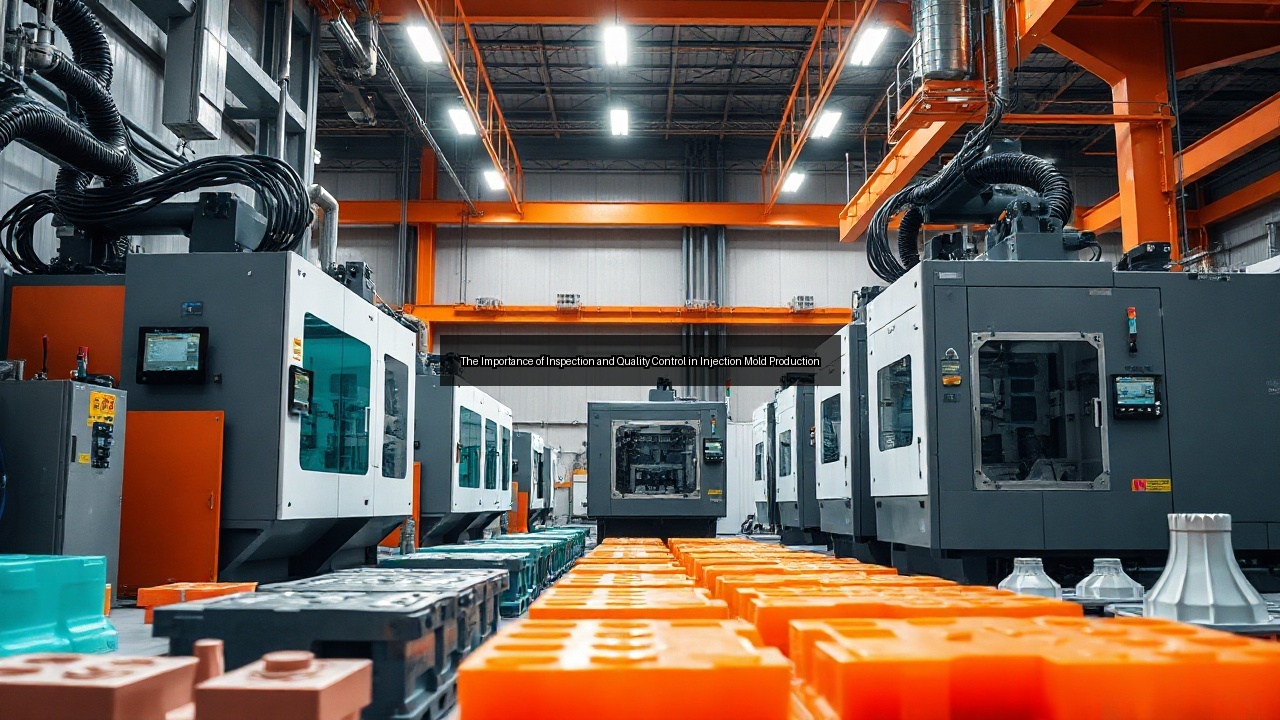
Understanding Injection Mold Production
The Basics of Injection Molding
Injection molding stands as a cornerstone in the world of custom plastic injection molding, offering manufacturers a fast and efficient method for producing a wide array of plastic parts. This process involves injecting molten plastic into a custom mold, allowing it to cool and solidify into the desired shape. The versatility of injection molding accommodates various materials, including thermoplastics and thermosetting plastics, making it an ideal choice for diverse applications. The process begins with the creation of the injection mold, which serves as the tool that shapes the molten plastic. These molds can be incredibly intricate, featuring various designs and structures tailored to meet specific customer requirements.
Types of Injection Molding Techniques
Several injection molding techniques exist, each catering to different production needs. Standard injection molding is the most common, wherein plastic is injected into a single cavity mold. Multi-cavity molds allow for the simultaneous production of multiple parts, significantly increasing efficiency. Overmolding combines two materials, creating a single, multi-functional part, while insert molding integrates additional components like metal threaded inserts into the mold. This results in robust products with enhanced features. Liquid silicone rubber (LSR) injection molding offers flexibility and durability, making it perfect for applications requiring a soft touch. Furthermore, advancements in technology, such as 3D printing, now enhance mold design capabilities, pushing the boundaries of custom manufacturing.
The Role of Prototypes in Custom Manufacturing
Prototyping plays a crucial role in the custom plastic injection molding process. Manufacturers utilize prototypes to test designs, ensuring they meet specifications before full-scale production begins. Rapid prototyping methods, including 3D printing, allow for quick iterations of mold designs, which helps identify any potential issues early in the process. This proactive approach streamlines the design phase, reducing time and costs associated with revisions. Prototypes also help clients visualize the final product, facilitating better communication between the manufacturer and the client. By investing in prototypes, companies can mitigate risks and enhance overall product quality, ultimately resulting in higher customer satisfaction.
Quality Control Measures in Injection Mold Production
The Importance of ISO 9001 Standards
Implementing ISO 9001 standards in injection mold production elevates quality control by establishing a framework for consistent processes and continuous improvement. This internationally recognized standard emphasizes customer satisfaction, process efficiency, and documentation, ensuring that manufacturers maintain high-quality products. Adhering to ISO 9001 not only enhances trust with clients but also positions the company competitively in the market. Regular audits and assessments help identify areas for improvement, allowing manufacturers to refine their operations continually. By emphasizing quality at every stage of production, businesses can reduce defects, minimize waste, and ultimately lower costs, leading to a more sustainable production cycle.
Inspection Techniques for Injection Molds
Effective inspection techniques are vital to ensuring the quality of injection molds and the parts they produce. Various methods, including visual inspections, dimensional checks, and non-destructive testing, ensure molds meet specified tolerances and standards. Advanced technologies, such as laser engraving and machine vision systems, enhance inspection accuracy, allowing for real-time monitoring of production. Implementing statistical process control (SPC) aids in identifying trends and potential issues before they escalate, thus maintaining optimal production quality. Regular inspection not only guarantees that products meet client specifications but also fosters a culture of quality within the organization, enhancing overall operational efficiency.
Surface Finishes and Their Impact on Quality
Surface finishes significantly influence the quality and functionality of injection molded parts. The choice of finish can affect aesthetics, durability, and performance in various applications. Options range from smooth finishes for a polished look to textured surfaces that enhance grip. Proper surface treatment techniques, such as polishing, bead blasting, or chemical etching, can also improve the mold's longevity by reducing wear during production. Understanding how surface finishes impact overall product performance allows manufacturers to tailor their processes to meet specific client needs, ensuring the final product not only looks good but also performs reliably in its intended environment.
The Role of Advanced Technologies in Custom Plastic Injection Molding
Integrating 3D Printing with Injection Molding
The integration of 3D printing with injection molding has transformed custom plastic manufacturing. 3D printing allows for rapid prototyping, enabling designers to create complex geometries that traditional methods struggle to achieve. By utilizing 3D-printed molds, manufacturers can quickly evaluate designs and make necessary adjustments before committing to full-scale production. This approach significantly shortens lead times and reduces costs associated with mold creation. Furthermore, combining 3D printing with injection molding facilitates low-volume production runs, making it a viable option for startups and companies testing new products. As these technologies continue to evolve, their synergy will likely redefine the landscape of custom plastic injection molding.
Utilizing CNC Machining and EDM for Precision
CNC machining and electrical discharge machining (EDM) play pivotal roles in enhancing precision within the injection molding process. CNC machining enables manufacturers to create intricate mold designs with tight tolerances, ensuring that each part produced meets rigorous specifications. This technology allows for automated processes that reduce human error and increase production efficiency. EDM complements CNC machining by facilitating the creation of complex shapes and features that may be difficult to achieve through conventional machining. The combination of these advanced techniques ensures that molds are not only accurate but also durable, paving the way for high-quality injection molded products.
Innovations in Overmolding and Insert Molding
Innovations in overmolding and insert molding continue to advance the capabilities of custom plastic injection molding. Overmolding allows manufacturers to combine different materials into a single part, enhancing functionality and aesthetics. This technique is particularly useful in creating ergonomic grips or multi-colored components. Similarly, insert molding enables the incorporation of metal parts, such as threaded inserts, during the injection process, resulting in stronger and more reliable products. These innovations not only improve product performance but also streamline the manufacturing process, reducing assembly time and costs. As technology progresses, the potential applications of these methods will expand, offering exciting opportunities for custom manufacturers.
Cost Considerations in Custom Plastic Injection Molding
Pricing Factors in Injection Mold Production
Understanding the pricing factors in injection mold production is essential for manufacturers and clients alike. Several elements contribute to the final cost, including material selection, mold complexity, and production volume. High-quality thermoplastics may come at a premium, but they often yield better performance and durability. The intricacy of the mold design also plays a significant role; more complex molds require additional machining and longer production times, driving up costs. Additionally, the chosen production volume can impact pricing; higher quantities typically reduce the unit cost. By clearly understanding these factors, businesses can make informed decisions that align with their budget and quality expectations.
Evaluating the Cost of Quality Control
Investing in quality control measures may seem like an additional expense, but it pays off in the long run. Effective quality control helps prevent defects, reduces material waste, and minimizes rework, ultimately saving money. Evaluating the cost of quality control involves analyzing the resources allocated to inspection, testing, and compliance with standards like ISO 9001. While these investments can increase initial production costs, they lead to higher customer satisfaction and repeat business. Companies that prioritize quality control often see a positive impact on their bottom line, as they build a reputation for reliability and excellence in the custom plastic injection molding market.
Understanding Lead Times and Their Impact on Budget
Lead times significantly influence budgetary considerations in custom plastic injection molding. The time required to design, produce, and deliver injection molds directly affects project timelines and costs. Prolonged lead times can result in missed market opportunities and increased operational costs. Factors influencing lead times include mold complexity, material availability, and production capacity. By optimizing processes and incorporating technologies like 3D printing, manufacturers can reduce lead times and enhance responsiveness to client needs. Understanding the relationship between lead times and budget allows businesses to plan effectively, ensuring they remain competitive while delivering high-quality, custom plastic injection molded products.
See Also
- A Comprehensive Guide to the Custom Injection Molding Process
- Exploring the Versatility of Custom Plastic Injection Molding in Various Industries
- Navigating the Custom Injection Molding Pricing Landscape for Optimal Value
- The Future of Manufacturing with Custom Plastic Injection Molding Innovations
- The Environmental Impact of Custom Plastic Injection Molding Practices