The Future of HVAC Mounting Solutions with Neoprene Technology
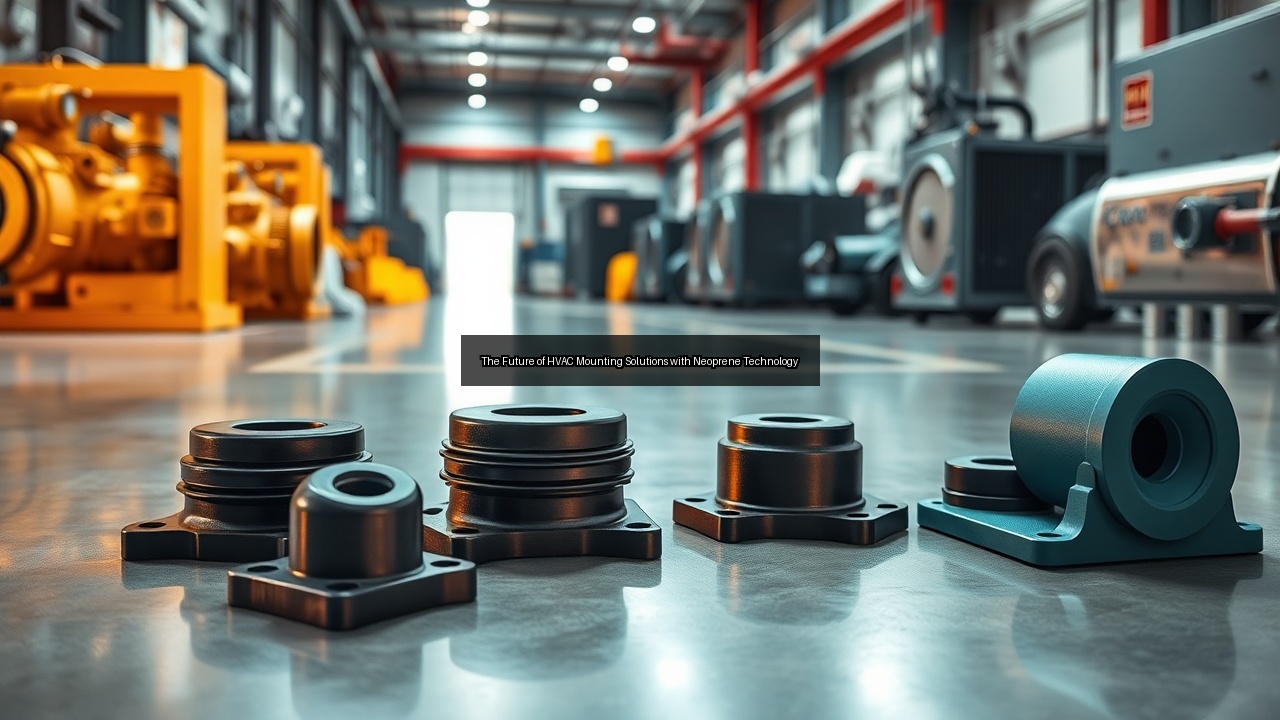
Understanding Neoprene Technology in HVAC Mounting Solutions
The Composition of Neoprene: Benefits for HVAC Applications
Neoprene, a synthetic rubber, has become a staple in HVAC mounting solutions due to its unique properties. Its chemical composition includes polychloroprene, which provides excellent flexibility and resilience. This makes neoprene ideal for various applications, particularly in HVAC systems where vibration and temperature fluctuations are common. The material’s durability ensures it can withstand the rigors of demanding environments, enhancing the overall longevity of HVAC components. Neoprene's resistance to oil and weathering further contributes to its effectiveness, making it a reliable choice for mounting systems in both residential and commercial settings. Its ability to maintain performance at varying temperatures makes it an essential element in modern HVAC technology.
How Neoprene Functions as a Vibration Isolator
Neoprene serves as an effective vibration isolator, crucial for maintaining the efficiency of HVAC systems. When installed properly, neoprene mounts absorb vibrations generated by compressors and other moving parts, preventing them from transferring to the surrounding structure. This isolation reduces noise levels and minimizes wear and tear on mechanical components, ultimately extending their lifespan. Neoprene’s inherent elasticity allows it to deform under stress, dissipating energy and preventing damage due to shear forces. By incorporating neoprene vibration isolation mounts, HVAC systems can operate at optimal RPMs, enhancing performance while ensuring a quieter environment for occupants. This characteristic is especially vital in commercial settings like offices and hospitals, where noise reduction is paramount.
Comparing Neoprene with Other Mounting Materials
When evaluating HVAC mounting solutions, comparing neoprene with other materials reveals its distinct advantages. Common alternatives like metal mounts may provide strength but often fall short in vibration absorption. Rubber mounts, while effective, can degrade faster under extreme conditions. Neoprene strikes a balance between durability and flexibility, outperforming these materials in various aspects. Unlike conventional rubber, neoprene maintains its properties over a broader temperature range, making it suitable for both heating and cooling applications. Its resistance to environmental factors also surpasses that of many alternatives, ensuring longer-lasting performance. By choosing neoprene for HVAC mounts, designers and engineers can create systems that are not only efficient but also sustainable.
Applications of Neoprene Mounts in HVAC Systems
Mounting Compressors: Enhancing Performance and Longevity
Neoprene mounts play a critical role in mounting compressors within HVAC systems. These mounts effectively minimize vibrations, which can lead to mechanical failures if left unchecked. By providing a stable yet flexible base, neoprene mounts allow compressors to operate smoothly, enhancing their performance and longevity. This reduction in vibration not only protects the compressor but also contributes to overall system efficiency. When compressors operate without excessive vibration, they consume less energy, leading to lower operational costs. Furthermore, the use of neoprene in compressor mounting helps to reduce noise, creating a more comfortable environment for users. The investment in neoprene mounting solutions pays off in terms of both performance and sustainability.
Utilizing Neoprene in Floor and Ceiling Installations
Neoprene mounts find extensive applications in floor and ceiling installations of HVAC systems. In floor applications, neoprene pads support bulky equipment, distributing weight evenly to minimize pressure points. This ensures that installations remain secure and stable over time. In ceiling installations, neoprene isolation mounts absorb vibrations from overhead components, preventing them from transmitting to the building structure. This vibration isolation is essential for maintaining structural integrity and occupant comfort. Neoprene’s ability to handle varying loads and resist deformation over time makes it the preferred choice for both floor and ceiling applications. Contractors appreciate the ease of installation, as neoprene mounts can be quickly positioned without specialized tools, saving both time and labor costs.
The Role of Neoprene in Belt Drives and Clutches
Neoprene’s versatility extends to its role in belt drives and clutches within HVAC systems. These components often experience significant forces and vibrations during operation. Neoprene mounts provide the necessary support and damping required to enhance performance. By absorbing shock loads and vibrations, neoprene prevents damage to gears and other critical components. This protective characteristic extends the lifespan of belt drives and clutches, reducing the frequency of maintenance and replacements. The flexibility of neoprene allows it to adapt to the dynamic movements inherent in these systems, ensuring smooth operation. Choosing neoprene for these applications not only improves efficiency but also contributes to the overall reliability of HVAC systems.
Innovative Designs and Techniques for Neoprene Mounts
Self-Adhesive Neoprene Solutions for Easy Installation
Self-adhesive neoprene solutions have revolutionized the installation process in HVAC systems. These mounts eliminate the need for additional fasteners, simplifying the setup and reducing installation time. The adhesive backing ensures a secure bond to various surfaces, from metal to wood, providing a reliable connection that withstands vibration and environmental stressors. This innovation appeals to contractors and DIY enthusiasts alike, as it streamlines the mounting process. Self-adhesive neoprene pads are particularly useful in tight spaces where traditional mounting methods may be cumbersome. This ease of use does not sacrifice performance; self-adhesive neoprene maintains the same vibration dampening qualities as non-adhesive options, ensuring effective isolation in any application.
The Sandwich Design: Enhancing Shear Resistance and Performance
The sandwich design is an innovative approach to neoprene mounting solutions, enhancing shear resistance and overall performance. This design incorporates layers of neoprene with varying densities, allowing for optimal energy absorption and vibration isolation. The outer layers provide robust shear resistance, while the inner layers offer flexibility for dynamic movements. This configuration ensures that mounts can handle high-stress applications without compromising their structural integrity. Sandwich neoprene mounts excel in environments where equipment experiences significant vibrations and forces, such as in industrial HVAC systems. By utilizing this design, engineers can create more resilient mounting solutions that extend the life of HVAC components and improve system reliability.
Neoprene Vibration Isolation in Trucks and Trailers
Neoprene vibration isolation finds additional applications in trucks and trailers, particularly in the transportation of HVAC equipment. The rugged environments faced by these vehicles necessitate robust mounting solutions that can withstand constant vibration and impacts. Neoprene mounts effectively isolate the equipment from shocks, ensuring safe transport without damage. This is crucial for delicate HVAC components that require careful handling. Furthermore, the use of neoprene in trucks and trailers enhances the overall performance of the vehicles, allowing for smoother rides and reduced wear on the chassis. As the demand for efficient transport solutions grows, neoprene mounts offer a reliable option that meets the needs of both HVAC professionals and transportation companies.
Sustainability and the Future of HVAC Mounting Solutions
The Environmental Impact of Neoprene Production
While neoprene offers numerous benefits in HVAC applications, its production does pose environmental concerns. Traditional neoprene manufacturing processes involve petroleum-based materials, which can contribute to ecological damage. However, advancements in sustainable practices are emerging. Manufacturers are exploring bio-based neoprene alternatives that reduce carbon footprints and reliance on fossil fuels. These innovations aim to strike a balance between performance and hvac neoprene mounts environmental responsibility. By choosing sustainably produced neoprene, HVAC professionals can address both efficiency needs and sustainability goals, paving the way for greener HVAC solutions.
Advancements in Elastomeric Materials for Sustainable Practices
The HVAC industry is witnessing significant advancements in elastomeric materials, including neoprene, driven by a desire for sustainability. Researchers are developing new formulations that enhance performance while minimizing environmental impacts. These advancements include incorporating recycled materials and reducing waste during production. As awareness of sustainability grows, the demand for eco-friendly mounting solutions increases. Neoprene’s adaptability allows it to evolve alongside these trends, making it a prime candidate for sustainable practices in HVAC applications. The future of HVAC mounting solutions will likely see an emphasis on materials that not only perform well but also support environmental stewardship.
Future Trends in HVAC Mounting: The Role of Neoprene
The future of HVAC mounting solutions will undoubtedly see a growing role for neoprene. As technology advances, the demand for reliable, efficient, and sustainable materials will rise. Neoprene’s unique properties position it as a frontrunner in meeting these demands. Expect to see innovations in neoprene formulations that enhance vibration isolation and improve durability. Additionally, the shift towards eco-friendly practices will drive the development of sustainable neoprene options. HVAC professionals and manufacturers who embrace these trends will position themselves at the forefront of the industry, catering to a market that increasingly values both performance and environmental responsibility. As the HVAC landscape evolves, neoprene will remain a vital component of effective mounting solutions.
See Also
- Understanding the Importance of Neoprene Isolation in Reducing Noise
- A Deep Dive into the Use of Neoprene in HVAC Vibration Isolation
- Elastomeric Neoprene Mounts A Game Changer for Vibration Control
- The Impact of Neoprene Mounts on Belt Drives and Clutch Systems
- Exploring the Benefits of Neoprene Mounts for Trucks and Trailers